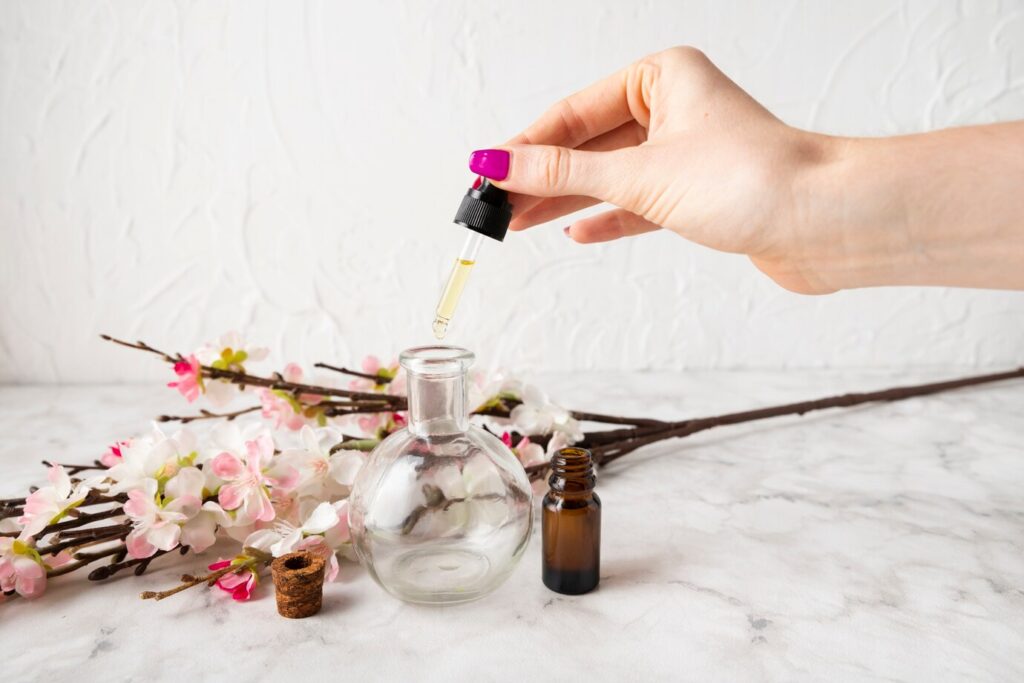
Your Guide to Choosing the Best Alcohol-Based Solvent for Perfume Production

The Best Alcohol-Based Solvent for Making Perfumes

Perfume production is a delicate art. Achieving a fragrance’s perfect balance demands precision and the right material. One of the most crucial ingredients in perfume formulation is ethanol, an alcohol-based solvent that dissolves and mixes various fragrance oils and other ingredients, allowing the perfume to be evenly distributed and readily evaporate when applied to the skin.

But how do you choose the right ethanol for your perfume? And what should you look for in a supplier to ensure you’re using the best solvent available?

Key Takeaways:
  • Ethanol is a crucial alcohol-based solvent in perfume production, ensuring fragrance stability, longevity, and safe skin application.
  • Choose high-purity ethanol for the best perfume quality.
  • Partnering with a trusted supplier ensures top-quality ethanol for creating exceptional fragrances.

Why ethanol is the best alcohol-based solvent for perfume production

  • It is highly compatible with the human body, making it safe for use in products that are applied to the skin.
  • Its polarity allows it to dissolve and extract fragrance molecules from essential oils, absolutes, and other aroma compounds. This ensures that the fragrance is both rich and nuanced.
  • Ethanol also possesses volatility, meaning it evaporates quickly once applied. This evaporation leaves behind only the concentrated fragrance, helping to preserve the integrity of the perfume while preventing the growth of bacteria or mould.
  • Ethanol’s solubility means it can dissolve a wide range of aromatic ingredients, including fixatives, which are key for ensuring the longevity of the fragrance.

The different types of ethanol in fragrance manufacturing

Not all ethanol is created equal, and the specific type you choose can impact your perfume’s quality. Here are the key types of ethanol used in industrial applications, including fragrance manufacturing:

  • Denatured Ethanol: This ethanol has been rendered undrinkable by adding chemicals like methanol or isopropanol. It’s commonly used in industrial and cosmetic products but should never be used in perfumes.
  • Undenatured Ethanol: Pure ethanol without additives, this type is fit for human consumption and is used in beverages and laboratories. However, it is not ideal for perfume production due to its lower purity.
  • Absolute Ethanol: With a concentration of 99.5% or higher, this ethanol is extremely pure, making it suitable for highly sensitive industrial applications like pharmaceuticals and perfumes.
  • Anhydrous Ethanol: This form of ethanol has very low water content (less than 0.1%) and is highly suitable for cosmetics and pharmaceutical applications, but it can be difficult to source and handle.

For perfume manufacturing, absolute ethanol or food-grade ethanol are generally preferred, as they offer the purity and reliability required to create a high-quality fragrance.

The impact of ethanol on perfume quality

The ethanol you choose can impact both the physical and olfactory properties of the fragrance.

Physical properties

Ethanol’s solubility helps dissolve essential oils and other fragrance components, making it easier to mix them together. It also affects the viscosity of the fragrance, ensuring the perfume is easy to pour or spray. Most importantly, ethanol acts as a preservative, preventing bacteria, mould, and other contaminants from spoiling the fragrance.

Olfactory properties

Ethanol doesn’t just serve as a vehicle for the fragrance, it also plays a role in shaping how the perfume smells. The concentration of ethanol can affect the strength and longevity of the fragrance. Higher ethanol concentrations lead to more potent perfumes that last longer. Additionally, ethanol helps diffuse fragrance molecules, allowing the scent to spread further and be more noticeable.

Aesthetic properties

Ethanol’s impact extends to the clarity and transparency of the perfume. A high-quality ethanol can give the fragrance a radiant, luminous quality. It can also influence the colour and texture, making the final product visually appealing.

Purity levels for perfume production

For the best results in perfume production, the ethanol should have a purity level of around 96% to 98%. This ensures that the fragrance components mix well and remain stable over time. Water content should be minimal (2% to 4%) to avoid diluting the fragrance and affecting its scent profile.

A quick guide to choosing the right ethanol supplier

Now that you know what to look for in terms of ethanol, it’s crucial to select a reliable supplier.
When sourcing ethanol for perfume production, consider these factors:

  • Quality and consistency: Choose a supplier that consistently provides high-purity ethanol.
  • Regulatory compliance: The supplier should meet all relevant safety and quality standards, ensuring that the ethanol is fit for use in cosmetic and fragrance products.
  • Reliable supply: Perfume production requires a constant and steady supply of ethanol. A
  • trustworthy supplier will ensure that you never run out.
  • Customer service: A supplier with great customer service can provide support with sourcing, logistics, and technical advice.
  • Sustainability: Ethical and sustainable sourcing practices are more important than ever, particularly for brands looking to appeal to eco-conscious consumers.

Choose Solco, your high-quality ethanol supplier in South Africa

When you choose Solco as your trusted ethanol supplier, our ISO 9001-certified facility ensures every batch meets the highest industry standards, giving you the confidence to create fragrances that captivate and endure.

Whether you’re an emerging perfumer or an established brand looking to refine your process, partnering with Solco means investing in quality, reliability, and ethical sourcing. The foundation of a great perfume starts with the right ethanol, so view our products or contact us today.
More articles

Green Solvents 101: Sustainable Alternatives to Traditional Solvents

Solvents are the invisible workhorses of industry. They’re used in paints, pharmaceuticals, cleaning agents, and…

Where Can I Find Small Packs of Solvents in South Africa?

Imagine you need 500ml of undenatured ethanol for a new cosmetic formulation, but suppliers only…