Ethanol isn’t a one-size-fits-all chemical. It’s made for everything from cleaning circuit boards to shaking up cocktails. As such, there are seven different grades of ethanol suited to different applications.
Firstly, it’s important to understand that ethanol falls into two broad categories:
● Organic ethanol (plant-based, food-grade)
● Synthetic ethanol (derived from coal or petroleum, used industrially)
(You can learn more about this distinction in this blog post.)

Beverage-grade ethanol is made from plant-based sources like sugarcane or grain. It’s carefully filtered to remove harmful by-products, making it safe for human consumption.
Fuel ethanol is produced at scale for the transport sector. It’s heavily denatured, making it unsuitable for human use or industrial solvent purposes.

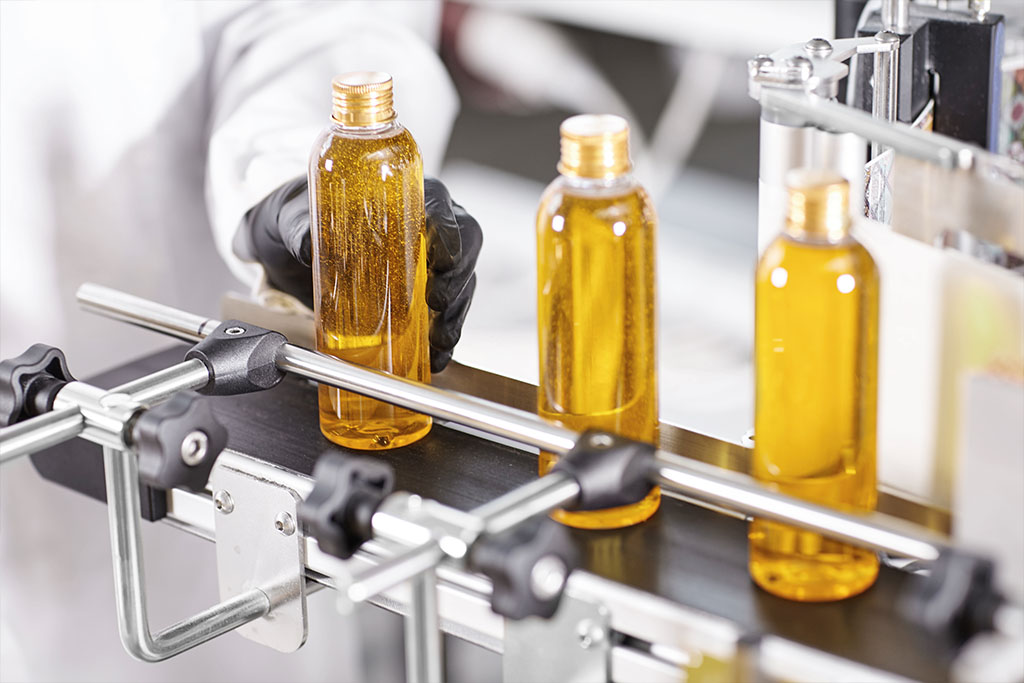
This is one of the most common grades of ethanol in the market. It’s versatile, affordable, and suited for manufacturing and formulation tasks where trace impurities are acceptable. Frequent uses include screen printing, ink production, cleaning electronics,and fragrance blending.
This grade of ethanol is used in pharmaceutical formulations for injectables, antiseptics, and medicinal syrups.
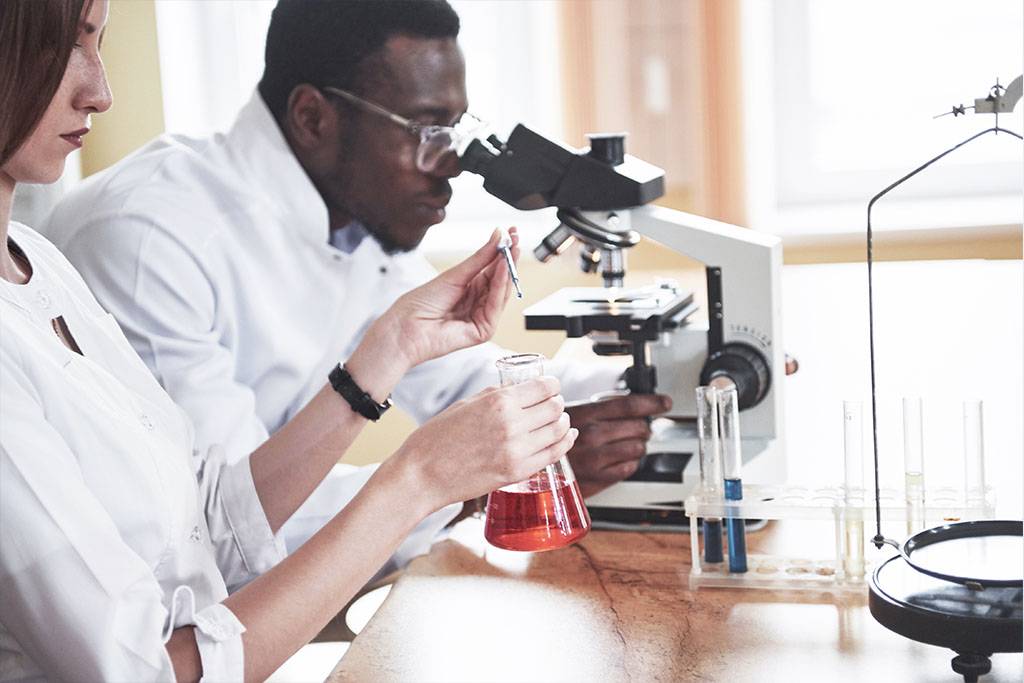
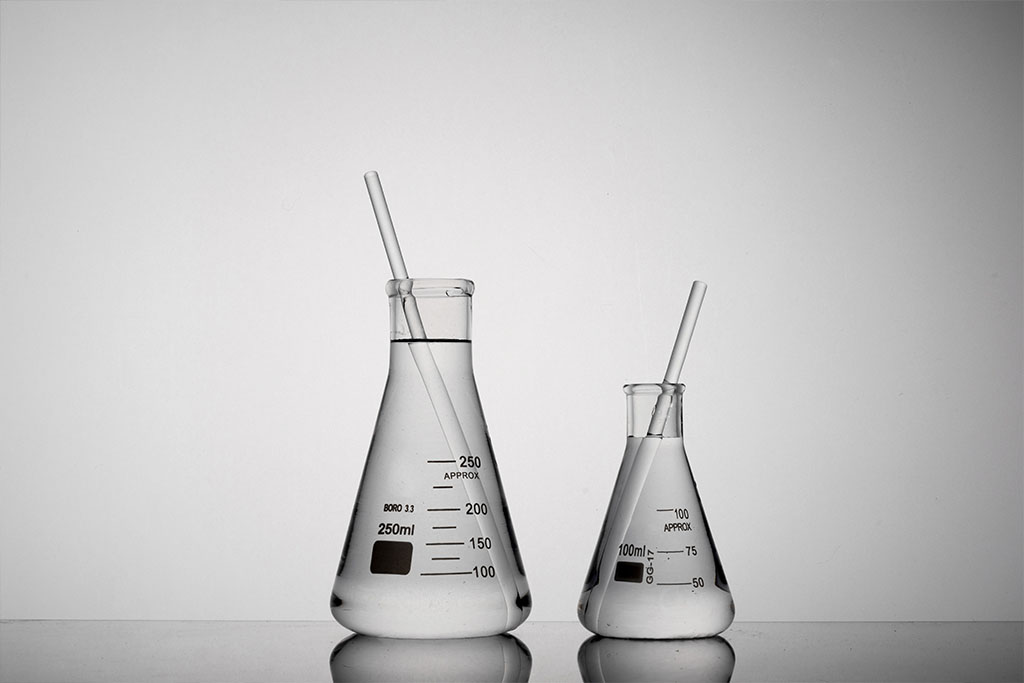
There are several subtypes depending on analytical needs, including ACS grade, HPLC grade, and spectrophotometric grade. These are generally required by universities, R&D labs, and scientific testing facilities.
Absolute ethanol contains no water, which makes it ideal for specialty chemical production,
| Grade | Purity | Typical Use |
| Beverage Grade | 95–96% | Alcoholic drinks |
| Fuel Grade | ~95% + additives | Vehicle fuel |
| Industrial Grade | Varies | Solvents, manufacturing |
| Pharmaceutical Grade (USP) | 95–100% | Medicines, sanitisers |
| Laboratory/Reagent Grade | 95–100%+ | Scientific applications |
| Absolute Ethanol | ≥99.5% | Dry reactions, specialty uses |
| Denatured Ethanol | Varies | Non-beverage industrial uses |
Choosing the right ethanol starts with your end use. Ask yourself:
Our team can recommend the right grade for your application and provide documentation for quality and compliance. Visit Solco’s online store to view available ethanol products or contact us for expert support.
Here’s a summary of our ethanol products, grades, and typical usage:
| Product Name | Purity / Notes | Grade of Ethanol | Typical Use |
| Bio Ethanol (Burning Fuel) | Denatured, fuel use | Fuel Grade Ethanol | Ethanol fireplaces, heating |
| Herbo Blend (Herbal Extract) | Denatured, herbal extract | Specially Denatured / Industrial | Tinctures, cosmetics, botanical extraction |
| Organic Ethanol 96.4% Denatured | 96.4%, denatured | Industrial Grade Ethanol | Cleaning, cosmetic blending, general solvents |
| Organic Ethanol 99.9% Denatured | 99.9%, denatured | Industrial / Absolute Ethanol | High-purity cleaning, moisture-sensitive processes |
| Organic Ethanol 99.9% Undenatured | 99.9%, undenatured | Pharmaceutical Grade Ethanol | Pharma, sanitiser production, extractions |
| Rectified ENA 93.4 I3 Denatured | 93.4%, denatured | Industrial Grade Ethanol | Fragrances, inks, solvents |
| Rectified ENA (Extra Neutral Alcohol) 96.4% Undenatured – Food grade | 96.4%, undenatured | Industrial Grade Ethanol | Flavour manufacturing, food grade applications, manufacturing of tinctures |
| Synthetic Ethanol 99.9% Denatured | 99.9%, denatured | Industrial / Absolute Ethanol | Solvent, surface prep, chemical processing |
| Synthetic Ethanol E95EA5 Denatured | ~95%, denatured | Industrial Grade Ethanol | Cleaning, manufacturing |
| Synthetic Ethanol E97i3 Denatured | ~97%, denatured | Industrial Grade Ethanol | General industrial applications |
| Synthetic Ethanol 99.9% Undenatured | 99.9%, undenatured | Pharmaceutical Grade Ethanol | Pharma, cosmetic formulations, lab use |
| Synthetic Ethanol E98EA2 Denatured | ~98%, denatured | Industrial Grade Ethanol | Solvent, coating industries |