
 Skip to content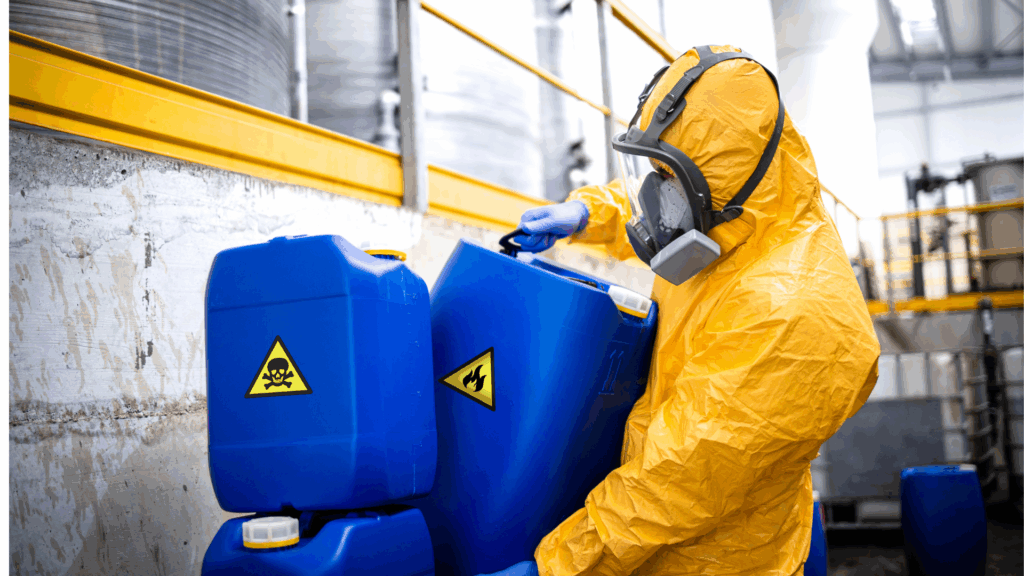
Isopropyl may have flown by your radar in decades past, but since the COVID-19 pandemic there’s a new respect in the air for disinfectants. While disinfectants may keep us safe and protect us from germs, these products are not to be used lightly.
Isopropyl is often used as a disinfectant and as a stain remover and for cleaning wounds. It’s broad range of uses means it’s pretty common. It’s not unusual to see it among other chemical agents in the cleaning cupboard. In the workplace, it is a great surfactant.
As an employer, you may be aware of its uses but you also need to be aware of the risks associated with storing isopropyl. Chemicals of all kinds, regardless of their use, need to be used and stored with careful consideration. Isopropyl is a hazardous substance and misuse can
lead to serious harm.
Avoid direct contact with the skin because aside from dryness, skin can break out in redness, itching, and a burning sensation. Getting it in the eyes can be very scary, the obvious symptoms of exposure will include irritation,
tearing, and discomfort. When it’s inhaled, it will irritate the respiratory system. The nose, throat, and lungs could burn and coughing fits are common. Dizziness and headaches are also quite common, especially if you’ve had larger exposure.
A stark reminder that isopropyl is dangerous is the fact that there are larger and more serious symptoms. Confusion, loss of coordination, unconsciousness, and sometimes even death are some of the listed side effects. Isopropyl affects the liver and kidneys, so its always a good idea to visit a doctor or clinic if you or a team member have been exposed.
The container your isopropyl arrived in is typically the best place to keep it. If, for some reason, you need to put in a different container you can go for something made from glass, metal or high-density polyethylene. Remember, it is a flammable liquid, so ensure the new container seals well.
Oxidising chemicals like bleach, nitric, sulfuric, or hydrogen peroxide are not good ‘cupboard’ buddies because they’re reactive. Other flammable liquids are also a no-no. Sunlight, heat, sparks and flames are also dangers to have around isopropyl. Taking these precautions keeps both you and your workplace safe while reducing the risk of fire, spills, or chemical reactions
Isopropyl may have flown by your radar in decades past, but since the COVID-19 pandemic there’s a new respect in the air for disinfectants. While disinfectants may keep us safe and protect us from germs, these products are not to be used lightly.
Isopropyl is often used as a disinfectant and as a stain remover and for cleaning wounds. It’s broad range of uses means it’s pretty common. It’s not unusual to see it among other chemical agents in the cleaning cupboard. In the workplace, it is a great surfactant.
As an employer, you may be aware of its uses but you also need to be aware of the risks associated with storing isopropyl. Chemicals of all kinds, regardless of their use, need to be used and stored with careful consideration. Isopropyl is a hazardous substance and misuse can
lead to serious harm.
Avoid direct contact with the skin because aside from dryness, skin can break out in redness, itching, and a burning sensation. Getting it in the eyes can be very scary, the obvious symptoms of exposure will include irritation,
tearing, and discomfort. When it’s inhaled, it will irritate the respiratory system. The nose, throat, and lungs could burn and coughing fits are common. Dizziness and headaches are also quite common, especially if you’ve had larger exposure.
A stark reminder that isopropyl is dangerous is the fact that there are larger and more serious symptoms. Confusion, loss of coordination, unconsciousness, and sometimes even death are some of the listed side effects. Isopropyl affects the liver and kidneys, so its always a good idea to visit a doctor or clinic if you or a team member have been exposed.
The container your isopropyl arrived in is typically the best place to keep it. If, for some reason, you need to put in a different container you can go for something made from glass, metal or high-density polyethylene. Remember, it is a flammable liquid, so ensure the new container seals well.
Oxidising chemicals like bleach, nitric, sulfuric, or hydrogen peroxide are not good ‘cupboard’ buddies because they’re reactive. Other flammable liquids are also a no-no. Sunlight, heat, sparks and flames are also dangers to have around isopropyl. Taking these precautions keeps both you and your workplace safe while reducing the risk of fire, spills, or chemical reactions

Hand sanitiser became a standard part of daily life during the pandemic, but most people…